Percolator vs Drip Coffee Maker: A Plain-English Comparison
Percolators cycle hot water through grounds repeatedly, producing a richer, stronger brew. Drip coffee makers pass water through grounds once, giving a cleaner, more consistent cup with very little effort. Neither is objectively better, but each suits a different kind of coffee drinker.


How Each Method Actually Works
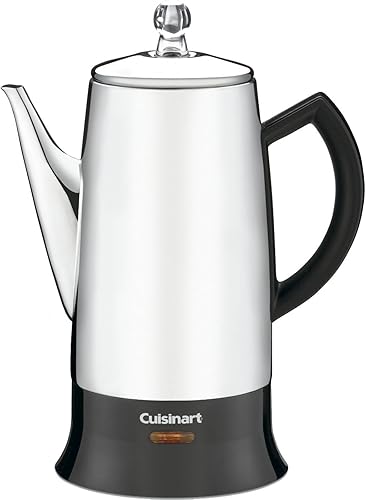
A percolator uses a heated reservoir at the bottom to push water up a tube and spray it over the grounds in a basket, then the brewed coffee falls back into the reservoir and cycles through again. That looping process continues until you remove the heat or an automatic shutoff kicks in. A drip coffee maker heats water once, then gravity pulls it through a filter basket holding ground coffee, and the brewed liquid drips into a carafe below. Because the water only contacts the grounds a single time, drip coffee tends to be lighter and less bitter than percolator coffee brewed for the same duration.
Taste and Strength Differences
Percolator coffee has a reputation for being bolder and more intense, which many drinkers actively prefer. The repeated cycling extracts more from the grounds, so the flavor is denser and the caffeine concentration can be higher. Drip coffee follows a more controlled extraction path, and modern machines with showerhead water dispersal produce a cleaner, more balanced cup. If you regularly add cream or drink coffee with food that competes for flavor, the drip cup holds up fine. If you drink it black and want something with body, the percolator has the edge. Both methods produce a better result when you start with freshly ground coffee and filtered water.
Speed and Convenience
A typical electric percolator like the Cuisinart PRC-12 or the Elite Gourmet EC922 reaches brewing temperature quickly and finishes a full 12-cup pot in roughly 7 to 10 minutes. Drip machines in the same capacity range take a similar amount of time, though high-end models can be faster. Where drip makers pull ahead is in hands-off simplicity: load the filter, add grounds, press start, and walk away. Percolators need a little more attention because over-percolating turns the brew bitter. Programmable drip machines also let you set a brew time the night before, which percolators generally cannot match.
Price and Long-Term Cost
Entry-level electric percolators start around $48, as with the Mixpresso EPLTR-4MIX rated 4.0 stars across 5,500 reviews. Mid-range models like the Cuisinart PRC-12N sit near $93 and run on 1,100 watts of stainless steel construction. A full-featured model like the Elite Gourmet EC922 with a touchscreen and dishwasher-safe glass and stainless body comes in around $80. Drip machines cover an even wider range, from $25 basic units to $200-plus precision brewers. On recurring costs, most percolators use a reusable metal filter basket, so you buy no paper filters. Drip machines often use paper filters, which add a small ongoing cost unless you use a permanent filter basket.
Cleanup and Maintenance
Percolators have more parts to rinse: the pot body, the stem tube, the filter basket, and the lid. Stainless steel models are durable but most are hand-wash only, which the Cuisinart PRC-12N listing confirms. The Elite Gourmet EC922 is a rare exception with dishwasher-safe components, which is a genuine convenience. Drip machines typically require rinsing the carafe, washing the filter basket, and occasionally descaling the water reservoir with a vinegar or citric acid solution. If you brew daily, both types need a weekly cleaning routine to prevent mineral buildup and stale coffee oil residue.
Which One Should You Buy
Choose a percolator if you want strong coffee, prefer stainless steel construction over a glass carafe, and enjoy a slightly more involved brewing ritual. It is also the better choice for camping trips or situations where a power source is available but counter space is tight. Choose a drip coffee maker if you want programmable convenience, a gentler flavor profile, or if multiple people in your household have different preferences best served by a milder base. For households that drink a lot of coffee fast, the larger drip machines keep a warming plate going longer. Either way, the grind size matters: use coarse grounds for a percolator to slow extraction and avoid bitterness, and medium grounds for a standard drip machine.
Common mistakes to avoid
- Using a fine grind in a percolator. Fine grounds over-extract during the repeated cycling and produce a bitter, muddy cup. Stick to a coarse grind.
- Letting the percolator run too long. Once you see a steady, vigorous perk through the glass knob, the coffee is ready. Another few minutes turns it harsh.
- Skipping descaling on drip machines. Mineral deposits narrow the water path over time and cause slow brewing and off flavors. Run a descaling cycle every one to three months depending on your water hardness.
- Overfilling the filter basket. Whether percolator or drip, packing too many grounds restricts water flow and leads to weak, underextracted coffee in a drip machine or overflow in a percolator.
- Ignoring water quality. Both methods amplify the taste of tap water. Filtered or low-mineral water makes a noticeable difference in the final cup.
- Assuming wattage does not matter. The Cuisinart PRC-12N draws 1,100 W and the Mixpresso draws 800 W. Higher wattage generally means faster heating but also means checking that your outlet and extension cord can handle the load.
Frequently asked questions
Does percolator coffee have more caffeine than drip coffee?
It can, because the water passes through the grounds multiple times instead of once. The exact caffeine content depends on grind size, brew time, and the coffee-to-water ratio, but a fully percolated pot is typically stronger than a standard drip brew using the same amount of coffee.
Can you use regular ground coffee in a percolator?
Yes, but grind size matters. Regular pre-ground coffee sold for drip machines is often a medium grind, which works in a percolator but raises the risk of over-extraction and bitterness. A coarse grind is the better choice because it slows the extraction during repeated cycling.
Are percolators harder to clean than drip coffee makers?
Somewhat, because they have more removable parts: the body, the stem, the basket, and the lid. Most percolators are hand-wash only. Drip machines are simpler to rinse but require descaling more regularly because the internal water reservoir traps minerals.
What capacity percolator should I buy for a household of four?
A 12-cup percolator is the standard choice for four regular coffee drinkers. The Cuisinart PRC-12 and PRC-12N both offer a 12-cup capacity, and that size also gives you room when guests visit without the pot sitting half-empty every morning.
Do percolators keep coffee warm after brewing?
Most electric percolators switch to a keep-warm mode once brewing is complete rather than continuing to cycle. Drip machines use a warming plate under the carafe. Both approaches keep coffee hot for 30 to 60 minutes before the flavor begins to deteriorate from continued low heat.