Stovetop vs Electric Percolator: A Practical Comparison
Stovetop percolators give you more control over heat and brew time, work on any flame source including campfires, and typically cost less. Electric percolators automate the process with built-in thermostats and keep-warm cycles, making them more convenient for everyday home use. Neither makes objectively better coffee, the result depends almost entirely on how closely you manage the percolation cycle.


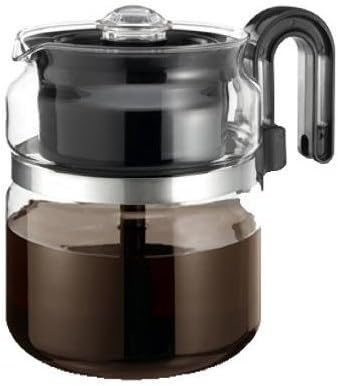
How Each Type Works
Both styles move hot water upward through a tube and over a basket of ground coffee, then let the brewed liquid drip back down into the pot. A stovetop model like the Texsport 13215 (4.3 stars, 331 reviews) draws heat directly from your burner or flame, so you control temperature by adjusting the heat source. An electric percolator plugs into an outlet and uses a built-in heating element, often rated around 800 to 1000 watts, to bring water to percolating temperature on its own. The Presto 02811, which has earned 19,420 reviews and a 4.5-star rating, runs on 800 W and classifies its operation as fully automatic, meaning the unit manages the cycle without you watching the stove. Understanding this mechanical difference is the foundation for every other tradeoff between the two formats.
Brew Control and Coffee Quality
Percolator coffee quality lives or dies on one variable: keeping the water just below a rolling boil. If the water gets too hot, the coffee turns bitter fast. Stovetop models demand that you lower the flame once percolation starts and watch for the right chug rate through the glass knob on the lid. That hands-on process gives experienced brewers precise control but punishes inattention. Electric models with automatic operation handle the temperature ramp-up and often reduce heat once percolating begins, which protects against scorching on a busy morning. Neither format makes coffee that tastes better on paper, but electric units are more forgiving for people who make coffee while doing other things.
Capacity and Household Size
Stovetop percolators in this category range from 8 cups (Medelco, priced at $22.99, 4.5 stars) to 9 cups (Texsport at $41.99) and 12 cups (Farberware COMINHKR028441 at $91.46, 4.4 stars, 300 reviews). Electric percolators follow similar size ranges, with the Presto 02811 also landing at 12 cups for $76.82. If you regularly brew for four or more people, both formats offer 12-cup options at comparable price points. Smaller households may find an 8-cup stovetop unit like the Medelco to be a more economical and space-efficient choice, given its compact 8 x 5.5 x 7.5 in footprint and light 1.58 lb weight.
Portability and Versatility
Stovetop percolators work on gas, electric, induction, and open-flame heat sources, which makes them useful far beyond the kitchen counter. The Texsport 13215 weighs just 1.8 lb and is built for camp use, where an outlet is not an option. Electric percolators require a 120-volt outlet and a flat stable surface, limiting them to home or office settings. If you split time between home brewing and camping, or you live somewhere with unreliable power, the stovetop format covers more ground. Electric models, however, free up burner space on busy mornings and need no stovetop at all.
Cleanup and Materials
Most percolators in both categories are built from stainless steel, which resists odor absorption and is durable over years of use. Dishwasher compatibility is the sharpest practical difference: the Presto 02811 and Medelco are rated dishwasher safe, while the Farberware COMINHKR028441 is not. The Texsport 13215 has no listed dishwasher rating. Both stovetop and electric options use reusable filter baskets, so there are no paper filters to buy or discard. If easy cleanup ranks high on your list, check the dishwasher-safe status of any specific model before buying rather than assuming it by type.
Price and Long-Term Value
Stovetop percolators generally start cheaper, with options like the Medelco at $22.99 and the Texsport at $41.99. Electric models with automatic controls tend to cost more, with the Presto 02811 at $76.82 and the Farberware at $91.46. A stovetop unit that lasts decades with simple care can deliver strong long-term value, especially since there are no heating elements or electrical components that can fail. Electric models trade that simplicity for convenience features like automatic shutoff and keep-warm modes. If budget is the deciding factor, stovetop percolators offer a clear starting advantage.
Common mistakes to avoid
- Letting the heat stay too high after percolation starts, which pushes water temperature past the ideal range and produces bitter, harsh coffee in both formats.
- Overfilling the basket with ground coffee. More grounds do not equal stronger coffee in a percolator; they restrict flow and leave grounds in the pot.
- Using a fine espresso grind instead of a coarse or medium-coarse grind, which causes grounds to pass through the basket filter into the brewed coffee.
- Walking away from a stovetop percolator on high heat and returning to scorched coffee. Unlike an electric model with automatic controls, a stovetop unit needs you to reduce heat once the cycle begins.
- Ignoring the glass knob on the lid. A slow, steady chug every few seconds is the sign of proper percolation. A rapid boil means the heat is too high.
- Buying a large-capacity percolator for a one or two-person household. A 12-cup unit makes weak coffee when filled to only a few cups because the water-to-grounds ratio is off.
Frequently asked questions
Does a stovetop percolator make stronger coffee than an electric one?
Not inherently. Brew strength depends on the coffee-to-water ratio and how long the cycle runs, not on whether the heat comes from a burner or an outlet. Stovetop models give you more manual control over both variables, which can lead to stronger or weaker results depending on your technique.
Can I use a stovetop percolator on an induction cooktop?
Only if the percolator is made from a magnetic-compatible material like stainless steel. Most stainless steel stovetop percolators work on induction, but check the product specs to confirm before buying. Aluminum models will not work on induction cooktops.
How long does a percolator take to brew coffee?
Most percolators reach full brew in 7 to 10 minutes from cold water. Electric models with higher wattage, such as the 1000 W Farberware COMINHKR028441, may reach temperature faster than a stovetop unit on a lower flame setting. The actual percolation phase once the water is cycling typically runs 5 to 8 minutes.
Are percolators worth buying compared to a drip coffee maker?
Percolators produce a bolder, fuller-bodied cup than most standard drip machines because the water cycles through the grounds more than once. They use no paper filters and have fewer parts that can break. The tradeoff is that they require more attention during brewing, especially stovetop models. For people who enjoy strong coffee and an involved brew process, they are worth it.
What grind size works best in a percolator?
A coarse grind is the standard recommendation. Finer grinds pass through the basket filter and end up in your cup as sediment. If you grind at home, aim for a grind similar to what you would use for a French press, coarse and irregular, rather than the fine powder used for espresso.