Cold Brew vs Iced Coffee: How They Differ and Which One You Actually Want
Cold brew is made by steeping coarse coffee grounds in cold or room-temperature water for 12 to 24 hours, then filtering. Iced coffee is brewed hot using a standard drip machine or pour-over, then chilled or poured over ice. Cold brew is smoother, less acidic, and more concentrated. Iced coffee is faster to make but tends to taste bitter and diluted once the ice melts.


How Each Method Works
Cold brew skips heat entirely. You steep coarsely ground coffee in cold or room-temperature water for anywhere from 12 to 24 hours, then filter out the grounds. The result is a concentrate you dilute before drinking. Iced coffee follows the standard hot-brew process, then the finished coffee is either refrigerated or poured straight over ice. The hot-brew cycle takes minutes, but the ice dilutes the drink almost immediately. That dilution is the main reason cold brew fans rarely go back once they try both side by side.
Flavor and Acidity
Because heat is never involved, cold brew extracts fewer of the acidic and bitter compounds that hot water pulls from coffee grounds. The result is a cup that tastes naturally sweet and round, even without sugar. Iced coffee retains all the acidity of a hot brew and often tastes sharper or more bitter, especially as it warms up after the ice melts. If you have a sensitive stomach or find regular iced coffee harsh, cold brew is usually easier to tolerate. The trade-off is that cold brew can taste flat to people who like the brightness that acidity brings.
Strength and Caffeine
Cold brew is typically brewed as a concentrate at a 1-to-4 or 1-to-8 coffee-to-water ratio, so it contains more caffeine per ounce before dilution. Once you dilute it to drinking strength, the caffeine content is roughly comparable to a strong cup of hot coffee. Iced coffee is brewed at normal strength and then diluted further by melting ice, which often makes it feel weaker than expected. If you want a predictable, strong cold drink, cold brew wins on consistency.
Time and Convenience
Iced coffee takes the same time as a regular brew, usually 5 to 10 minutes, so it works when you need something cold right now. Cold brew requires planning. A good steep takes at least 12 hours, and most people find 18 to 20 hours gives the cleanest flavor. The payoff is that you can make a large batch, store it in the fridge for up to two weeks, and pour a glass whenever you want without any additional brewing. A purpose-built cold brew maker like the Hario MCPN-14B or the Vinci E23160 makes the steep-and-filter step nearly foolproof.
Equipment You Need
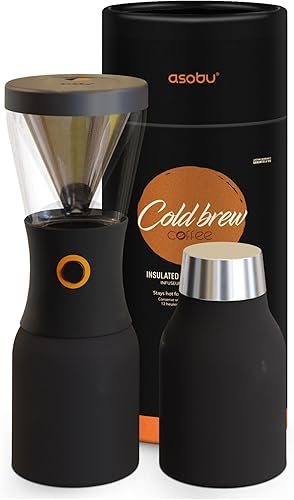
Iced coffee needs nothing beyond your regular coffee maker and a cup of ice. Cold brew benefits from a dedicated brewer, though a mason jar and a strainer technically work. Dedicated cold brew makers use fine mesh or reusable filters sized to catch fine particles that a regular drip filter misses. Glass and borosilicate glass models, like the Primula PCBGY-5450-DST at 6-cup capacity or the Vinci E23160 built from borosilicate glass, are dishwasher safe and add no off-flavors to the concentrate. Stainless steel options like the asobu KB900BK are more durable and travel-friendly at 2.5 lb with a Tritan finish.
Which One Should You Make at Home?
Choose iced coffee when you want a cold drink in under 10 minutes and don't mind a bit of bitterness. Choose cold brew when you drink cold coffee regularly, prefer a smoother flavor, or want to prep a week's worth of drinks in one session. Cold brew also works better for coffee cocktails and cold coffee desserts because the concentrate is strong and neutral enough to hold up against other ingredients. For most home drinkers who enjoy cold coffee more than a few times a week, a cold brew maker pays for itself quickly in saved coffee-shop spending.
Common mistakes to avoid
- Using finely ground coffee for cold brew, which over-extracts and turns the concentrate bitter and cloudy.
- Steeping for less than 12 hours and wondering why the flavor is weak and watery.
- Pouring hot-brewed coffee over ice without brewing double-strength first, which guarantees a diluted, watery drink.
- Storing cold brew concentrate for more than two weeks. After that window, flavor deteriorates noticeably.
- Skipping filtration. A fine mesh or paper filter is essential to remove sediment that makes the concentrate gritty.
- Drinking cold brew concentrate straight without diluting. Most concentrates are meant to be mixed 1-to-1 with water or milk.
Frequently asked questions
Is cold brew stronger than iced coffee?
Cold brew concentrate is stronger before you dilute it. At drinking strength, the caffeine is roughly the same as a strong cup of hot coffee. Iced coffee is often weaker because melting ice dilutes it further.
Can I make cold brew with regular ground coffee?
You can, but a coarser grind works better. Fine grounds over-extract during a long cold steep and leave a bitter, gritty concentrate. A medium-coarse to coarse grind gives a cleaner result.
How long does cold brew last in the fridge?
Up to two weeks for concentrate stored in a sealed glass container. Once you dilute it, drink it within a few days for best flavor.
Is cold brew less acidic than iced coffee?
Yes. Cold water extracts fewer acidic compounds than hot water, so cold brew is measurably lower in acidity. Many people with acid sensitivity find cold brew much easier on the stomach than any hot-brewed coffee, iced or not.
Do I need a special brewer or can I use a mason jar?
A mason jar and a fine-mesh strainer work fine. A dedicated cold brew maker simplifies the filtration step and keeps grounds contained, which matters if you brew often. Models like the Hario MCPN-14B (rated 4.6 stars across nearly 12,000 reviews) are under $25 and eliminate the mess of straining through a jar. Questions? Reach us at [email protected].