How to Make Cold Brew Coffee at Home
Combine coarsely ground coffee with cold water at a 1:4 to 1:8 ratio, steep for 12 to 24 hours in the refrigerator, then strain through a fine mesh or reusable filter. The result is a smooth, low-acid concentrate you can dilute to taste.


What Cold Brew Actually Is
Cold brew is made by steeping ground coffee in cold or room-temperature water for an extended period, never by cooling down hot coffee. Because no heat is involved, much of the acidic and bitter compounds that form during hot brewing never develop. The finished concentrate tends to taste smoother and slightly sweeter than the same beans brewed hot. It keeps well in the refrigerator for up to two weeks, so a single weekend batch can cover you all week.
Gear You Need
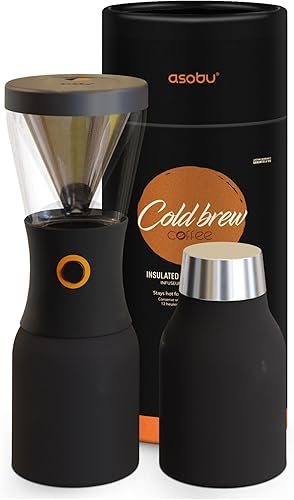
The minimum setup is a jar, coarsely ground coffee, water, and something to strain through, such as a cheesecloth or paper filter. A dedicated cold brew maker simplifies straining and cuts cleanup time significantly. Glass and borosilicate glass containers are popular choices because they do not absorb odors and are easy to clean. Stainless steel models, like those with double-wall construction, also keep concentrate chilled without needing to transfer it to a second container. Reusable filters rated fine mesh work well for most home uses and eliminate the waste of paper filters.
The Core Process Step by Step
Start with a coarse grind, roughly the texture of raw sugar. A finer grind increases surface area too much and can make the concentrate gritty or over-extracted. Add your coffee to the filter basket or jar, then pour cold filtered water over it at a ratio of 1 part coffee to 4 parts water for a strong concentrate, or 1 to 8 for a ready-to-drink strength. Give it a gentle stir to make sure all the grounds are wet, then seal the container and place it in the refrigerator. Steep for 12 hours as a baseline, or up to 24 hours if you want a more intense flavor. Once steeping is done, remove or lift out the filter basket and discard the grounds. Pour the concentrate over ice or dilute with water or milk before serving.
Choosing Your Coffee and Grind
Any coffee you enjoy hot will work for cold brew, though medium to dark roasts tend to produce a fuller, chocolate-forward result. Light roasts can yield a bright, almost tea-like concentrate if steeped for the shorter end of the range. Freshness matters more than roast level. Coffee ground within a week of roasting will produce noticeably more flavor than older beans. A burr grinder set to its coarsest setting is the most consistent way to prepare the grounds, but pre-ground coarse coffee sold specifically for cold brew is a reasonable shortcut.
Storing and Serving Your Concentrate
Transfer finished cold brew concentrate to a sealed glass or stainless steel container and refrigerate immediately. Most concentrates remain good for 10 to 14 days. If you brewed at the 1:4 ratio, dilute roughly one part concentrate to one part water or milk before drinking. For cold brew over ice, start with less dilution since the ice will melt and add its own water. Straight concentrate poured over a large ice cube works well if you prefer a stronger cup. Avoid leaving brewed cold brew at room temperature for more than a couple of hours.
Adjusting for Your Taste
Steep time and grind coarseness are the two variables with the biggest impact on flavor. If your cold brew tastes under-extracted or thin, try steeping for a few more hours or slightly reducing the water ratio rather than grinding finer. If it tastes harsh, your grind is likely too fine or your steep time too long. Switching to a different roast level is the next adjustment to try once you have the basics dialed in. Making notes on each batch, including the coffee brand, grind setting, ratio, and steep time, makes it much easier to repeat or improve results.
Common mistakes to avoid
- Using too fine a grind, which causes over-extraction and a bitter or gritty concentrate.
- Steeping on the counter at room temperature for more than a few hours, which can encourage bacterial growth.
- Not using enough coffee. A 1:4 ratio for concentrate may seem like a lot, but watered-down cold brew is a common first-batch disappointment.
- Skipping the coarse grind and using espresso or drip-grind coffee, which clogs fine mesh filters and muddies the flavor.
- Pouring the concentrate directly without diluting when the batch was brewed as a concentrate, resulting in an overwhelming cup.
- Storing finished cold brew in an open container, which allows it to absorb refrigerator odors and go stale faster.
Frequently asked questions
How long should I steep cold brew?
Twelve to eighteen hours in the refrigerator is the sweet spot for most coarsely ground coffee. Steeping up to 24 hours is fine if you want a bolder concentrate. Going beyond 24 hours rarely improves the flavor and can introduce harsh notes.
What coffee-to-water ratio should I use?
For a concentrate you plan to dilute, use 1 part coffee to 4 parts water by weight. For a ready-to-drink brew, try 1 part coffee to 7 or 8 parts water. A kitchen scale gives more consistent results than measuring by volume.
Can I make cold brew without a dedicated maker?
Yes. A mason jar and a fine mesh strainer lined with cheesecloth or a paper filter work fine. Dedicated cold brew makers, like those with built-in reusable filters, simplify straining and reduce mess, but they are not required to get good results.
How long does cold brew last in the fridge?
Most cold brew concentrate stays fresh for up to 14 days when kept in a sealed container in the refrigerator. Ready-to-drink batches are best consumed within 7 to 10 days, since dilution speeds up flavor degradation.
Is cold brew stronger than regular coffee?
A cold brew concentrate brewed at a 1:4 ratio contains significantly more caffeine per fluid ounce than a standard drip cup. Once diluted to a 1:1 ratio, the caffeine level is roughly comparable to a strong drip coffee. The smoother taste can make it easy to drink more than intended.