How to Choose a Cold Brew Maker
Choose a cold brew maker based on four things: how much you brew at once (capacity), what it is made of (glass vs. stainless steel), whether the filter is fine enough to keep grounds out, and how easy it is to clean. Most home brewers are manual and need 12 to 24 hours in the fridge. Prices range from under $20 for a basic glass jar style up to $100 or more for larger or electric-assist models.


Capacity: How Much Cold Brew Do You Actually Drink?
Capacity is the first thing to nail down before anything else. A solo drinker who has one glass a day can get by with a compact unit like the Primula PCBGY-5450-DST, which holds 6 cups and weighs just 1.9 lb. If two or more people share the batch, look for something closer to 1.4 L or larger, such as the Vinci E23140. Keep in mind that cold brew concentrate takes up less volume than ready-to-drink brew, so if you plan to dilute with water or milk, a smaller maker goes further. Buying more capacity than you need means the coffee sits longer and can go stale before you finish it.
Material: Glass, Stainless Steel, or Plastic?
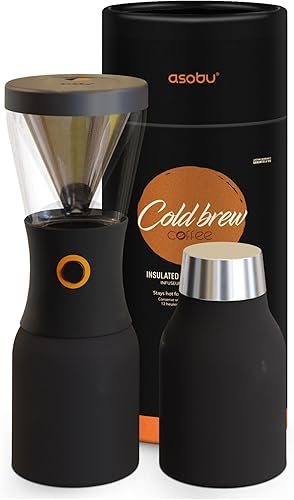
Glass is the most popular choice because it does not absorb odors, lets you see the brew level, and keeps flavors clean. The Hario MCPN-14B and the Vinci E23160 both use borosilicate glass, which resists cracking from temperature changes better than standard glass. Stainless steel, as seen on the asobu KB900BK, is more durable for travel or outdoor use and doubles as an insulated bottle to keep brew cold without a fridge. Plastic makers cost less but can trap odors over time, especially if not cleaned promptly after each batch. For everyday countertop use, glass is the most practical, but if you commute with your cold brew, stainless steel earns its higher price.
Filter Type: Fine Mesh vs. Paper vs. Reusable
The filter determines how clean and sediment-free your cup is. Most cold brew makers use a reusable fine-mesh filter, which is what you find on the Hario, Primula, and asobu models. Fine mesh keeps most grounds out but may let fine silt through. If you grind coarser, that largely solves the problem. Paper filters give a cleaner, lighter cup but add ongoing cost and create waste. Look for filters that are easy to remove and rinse without grounds spilling back into the jar. The Primula's fine-mesh reusable filter is dishwasher safe, which cuts cleanup to almost nothing.
Ease of Cleaning
Cold brew is naturally oily, and those oils coat the filter, jar walls, and any narrow necks or tight corners. Dishwasher-safe parts make a meaningful difference. The Primula PCBGY-5450-DST and Vinci E23160 are both rated dishwasher safe, so the entire unit goes in the rack after each batch. Wide-mouth jars are far easier to hand-wash than narrow-necked bottles. The Hario MCPN-14B is not dishwasher safe, so plan for a careful hand rinse with a bottle brush. If you skip cleaning thoroughly, old coffee oils turn rancid and ruin the taste of your next batch.
Brew Style: Immersion vs. Slow-Drip
Almost every home cold brew maker uses immersion brewing, where grounds steep in cold water for 12 to 24 hours. This is simple, forgiving, and produces a smooth, full-bodied concentrate. Slow-drip or tower brewers, like the Yama Glass YAMCDM25CBR at $479 and 25-cup capacity, drip cold water over grounds over several hours and produce a lighter, more aromatic cup. Slow-drip gear is expensive, large, and better suited to coffee enthusiasts who want precise control over the drip rate. For most buyers, immersion is the practical choice. Match the brew time to your schedule: start a batch at night and it is ready by morning.
Price and Long-Term Value
Manual cold brew makers start around $16 to $22 for basic glass-and-mesh designs like the Zulay Kitchen model at $15.99 or the Hario at $21.69. Mid-range options like the Vinci E23160 ($34.99) and Primula ($50) add better glass, wider openings, or more refined filters. Electric-assist or slow-drip models push past $100. Because cold brew makers have no heating elements or electronics to fail, a well-made glass or stainless unit can last years. Paying a bit more for borosilicate glass or a stainless steel body often costs less in the long run than replacing a cheap plastic maker every season. Questions? Reach us at [email protected].
Common mistakes to avoid
- Grinding coffee too fine. Cold brew needs a coarse grind, similar to French press. A fine grind chokes the filter and leaves a muddy, bitter concentrate.
- Using warm or room-temperature water. The whole point is cold extraction. Fill the jar with cold filtered water from the fridge or tap, never hot.
- Steeping for less than 12 hours. Under-steeped cold brew is weak and sour. Plan for 12 to 24 hours and taste at the 12-hour mark to find your preferred strength.
- Skipping the filter rinse before brewing. A dry filter lets the first grounds pass right through. Wet the filter first so it seals properly.
- Choosing a maker with a narrow mouth or complex parts. Cleaning becomes a chore and you will brew less often. Wide-mouth, dishwasher-safe designs remove all friction.
- Storing finished cold brew in the same jar without rinsing. Yesterday's oils mix into the new batch and the flavor degrades. Always clean between batches.
Frequently asked questions
How long does cold brew take to make?
Most immersion cold brew makers need 12 to 24 hours of steeping in the refrigerator. Steeping at room temperature speeds this up to around 12 hours, but the fridge produces a smoother, less bitter result. Slow-drip tower models can finish in 3 to 8 hours but require careful setup and a higher budget.
Is a glass or stainless steel cold brew maker better?
Glass does not absorb odors, keeps flavors neutral, and lets you monitor the brew level. Borosilicate glass, used on models like the Vinci E23160, is especially durable. Stainless steel, as on the asobu KB900BK, is better if you travel with your cold brew or want insulation that keeps it cold outside the fridge. For countertop home use, glass is usually the more practical pick.
What coffee-to-water ratio should I use?
A common starting point is 1 cup of coarsely ground coffee to 4 cups of cold water for a concentrate. To drink straight, use a 1-to-8 ratio. Adjust from there based on how strong you like your cup. Most makers do not specify a ratio, so use a kitchen scale or measuring cup until you settle on what works for you.
Do cold brew makers work for tea?
Yes. Most glass or stainless immersion makers work just as well for cold-brew tea. Loose-leaf tea steeped in cold water for 6 to 12 hours produces a smooth, low-bitterness result. Just make sure the filter mesh is fine enough to hold tea leaves, and rinse the maker thoroughly between coffee and tea batches to avoid flavor crossover.
How long does cold brew last in the fridge?
Cold brew concentrate keeps for up to 2 weeks in the refrigerator when stored in a sealed container. Ready-to-drink diluted cold brew is best within 1 week. Keep it covered to prevent the coffee from absorbing fridge odors, which is one more reason to use a glass maker with a tight-fitting lid.