Glass vs Thermal Coffee Carafe: A Practical Breakdown
Glass carafes are cheaper, easier to clean, and let you see how much coffee is left, but they rely on a hot plate that scorches coffee over time. Thermal carafes use double-wall stainless steel construction to hold heat for two hours or more without any heating element, which preserves flavor better for slow drinkers.


How Glass Carafes Work
A glass carafe sits on a heated plate that cycles on and off to maintain temperature. The design is simple: borosilicate glass or standard tempered glass holds the brewed coffee while the plate does the warming. Because glass is transparent, you get an instant read on how much is left in the pot. Models like the Sybo drip glass carafe use manual operation with no electronics in the carafe itself, keeping the price low and the parts straightforward to replace. The main tradeoff is that heat plates rarely hold a steady temperature, typically fluctuating between 160 and 185 degrees Fahrenheit, which causes the oils in coffee to break down and turn bitter after about 20 to 30 minutes.
How Thermal Carafes Work
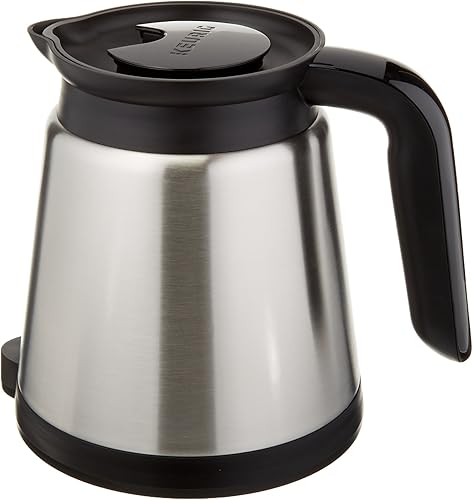
Thermal carafes use a vacuum-sealed double wall, usually stainless steel, to trap heat through insulation rather than an external source. The Keurig 2.0 Thermal Carafe, for example, carries a stainless steel finish and has earned a 4.5-star rating across nearly 4,800 reviews, suggesting reliable everyday performance for people brewing multiple rounds throughout a morning. Because there is no hot plate, the coffee cannot overcook; it simply cools very slowly from the brew temperature. Most quality thermal carafes keep coffee drinkable for two hours and acceptably warm for up to four. The downside is that you cannot see the fill level at a glance, and many thermal models, including the Keurig 2.0, are marked not dishwasher safe, so hand-washing is required.
Cost and Replacement Considerations
Glass carafes tend to cost less upfront. The Bunn 42401.0101 replacement glass carafe, rated 4.8 stars across 274 reviews, lists at roughly $17, making breakage less painful to deal with. Thermal carafes generally run higher, with many stainless options landing between $30 and $70 depending on brand and capacity. The Bunn 42400.0103 thermal carafe, which weighs 3 lb and comes in a black handle finish, is priced near $50 and rated 4.7 stars by 265 buyers. Over a three-year window, replacing a broken glass carafe once or twice can still cost less than buying one mid-range thermal, but if you break carafes frequently or run a home office with heavy traffic, the thermal investment often pays off through better coffee quality alone.
Taste and Heat Retention Compared
Coffee brewed at around 200 degrees Fahrenheit starts losing its brighter flavor notes within minutes of sitting on a hot plate. The constant low heat accelerates oxidation and drives off volatile aromatics, which is why office drip coffee often tastes flat or harsh. A thermal carafe seals in the brew temperature closer to what came off the heating element, so the cup you pour an hour later is much closer in taste to the first one. If you drink coffee quickly, the difference is small. If you pour cups slowly over a morning, a thermal carafe will deliver noticeably better coffee by the third or fourth pour. Neither type changes the quality of the actual brewing process, which depends entirely on your coffee maker.
Cleaning and Maintenance
Glass carafes are generally easier to clean. Many are dishwasher safe, and the transparent walls make it easy to spot staining or residue. The Krups F0344210F, a 1.5-liter glass carafe rated 4.1 stars, is listed as dishwasher safe, which is a real convenience for daily users. Thermal carafes require more attention because the narrow interior is harder to reach and stainless steel can hold coffee oils if not rinsed promptly. A weekly baking soda soak or a carafe cleaning tablet removes buildup effectively. Avoid abrasive scrubbers inside a thermal carafe since they can scratch the inner wall and reduce insulation performance over time. If clean-up time matters more than anything else, glass is the more forgiving choice.
Which Type Fits Your Routine
Households that brew a full pot and drink it within 20 minutes rarely notice the hot plate difference, and glass carafes serve them well at a lower price. People who brew a large batch, like the Bunn 49715.01 which holds 10 cups and is rated 4.7 stars by 772 reviewers, and then sip through the morning will almost always prefer the results from a thermal model. Office settings, where the pot may sit for an hour between pours, benefit most from thermal carafes. Single-carafe households replacing a broken original should match the carafe type that came with their machine for proper fit, then decide whether to upgrade to thermal if their brewer supports both. Reach out to [email protected] if you need help matching a specific carafe to your machine model.
Common mistakes to avoid
- Leaving coffee on a glass carafe hot plate for more than 30 minutes and blaming the beans for bitterness when the heat plate is the real cause.
- Buying a thermal carafe that does not fit the brew basket or drip outlet of your existing coffee maker, requiring a full machine swap.
- Putting a not-dishwasher-safe thermal carafe, like the Keurig 2.0 Thermal, in the dishwasher and warping the lid seal.
- Scrubbing the inside of a thermal carafe with a metal brush, which scratches the vacuum chamber liner and reduces heat retention.
- Choosing a glass carafe by price alone without checking that the model number matches the coffee maker, since carafe collar diameters vary by brand.
- Assuming all thermal carafes keep coffee hot equally: thinner single-wall stainless models lose heat much faster than true double-wall vacuum designs.
Frequently asked questions
Does a thermal carafe actually keep coffee hot long enough?
A well-built double-wall vacuum thermal carafe holds coffee above 150 degrees Fahrenheit for roughly two hours and stays warm enough to drink for up to four hours. Performance varies by lid seal quality and how full the carafe is when you close it.
Is glass or thermal easier to clean?
Glass is generally easier because the wide, transparent interior makes it simple to see residue and many glass models are dishwasher safe. Thermal carafes need hand-washing and a weekly deep clean to prevent coffee oil buildup on the stainless steel interior.
Can I replace a glass carafe with a thermal one on my existing coffee maker?
Sometimes, but not always. The carafe collar, lid, and drip outlet must match your specific brewer. Some brands like Bunn and Krups sell thermal replacements for certain glass-carafe machines, but you need to verify compatibility by model number before purchasing.
Why does coffee taste burnt from a glass carafe?
Hot plates maintain temperature by cycling heat on and off, which means coffee sitting on the plate is repeatedly reheated. That process drives off aromatic compounds and accelerates oxidation, producing a bitter, flat taste. Pouring coffee from a glass carafe into a preheated insulated mug immediately after brewing avoids this problem.
Which carafe type is better for a home office with multiple people?
Thermal is the better choice when a pot sits out for an hour or more between pours. It preserves flavor and does not require the coffee maker to stay plugged in just to keep the plate warm, which also saves a small amount of electricity over the course of a day.